Fayoum, Egypt · October 2026 · Craft, culture and contemporary objects
There is something quietly extraordinary about seeing an object take shape in someone’s hands. Before the finished surface, before the proportions are resolved, there is clay, water, pressure and time. My experience of pottery in Fayoum offered an opportunity to look beyond the finished piece and towards the knowledge that makes it possible.
The knowledge of making
What interests me in a workshop is not only what is made, but how. A change in pressure alters a curve. Drying and firing transform the material. Glazes respond in ways that can never be entirely reduced to a drawing. Craft carries a form of intelligence accumulated through practice, observation and exchange.
Fayoum is home to distinct pottery traditions and communities. Rather than treating them as a single unbroken story, I see the encounter as an invitation to learn from the people and processes of this particular place.
From observation to object
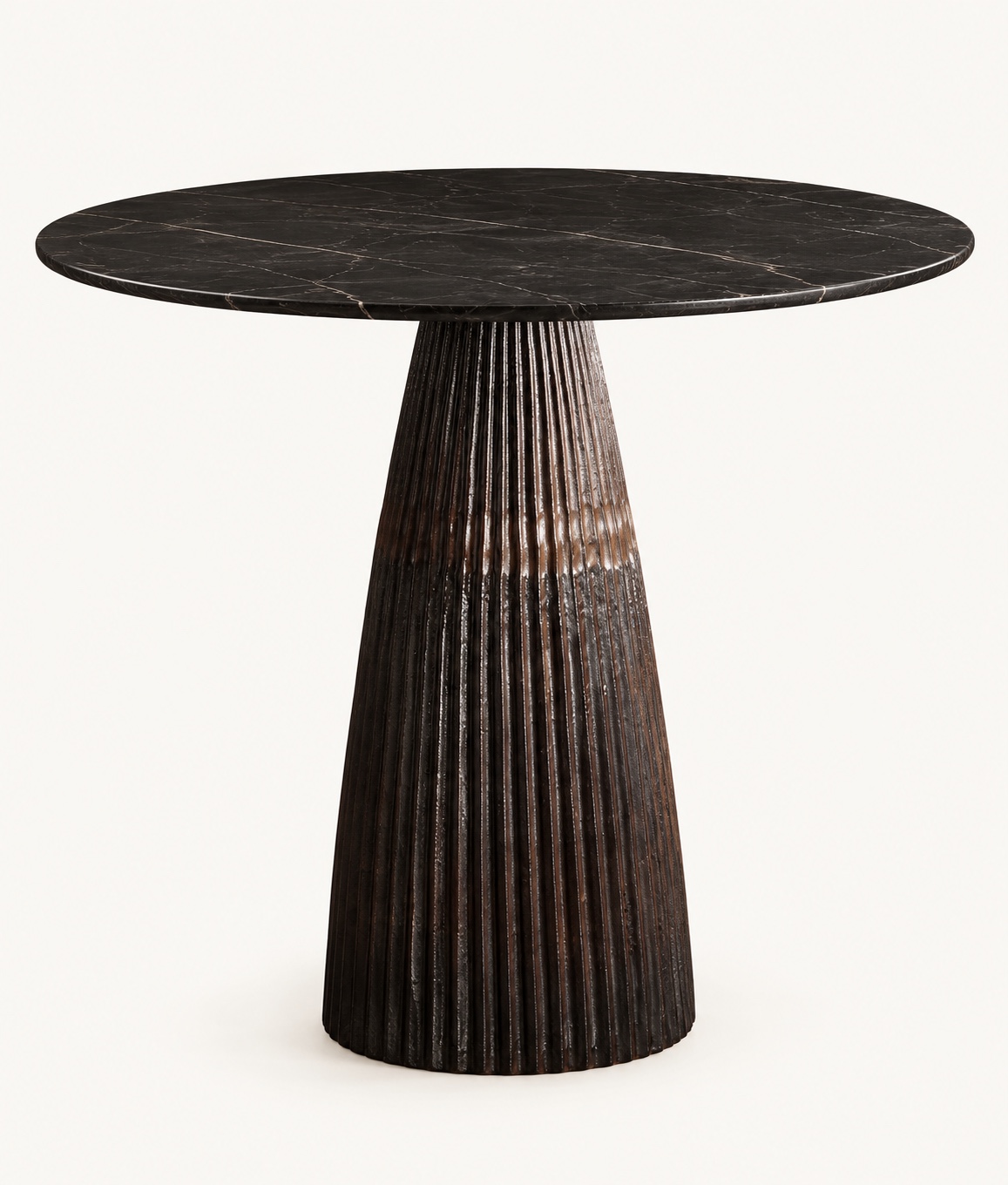
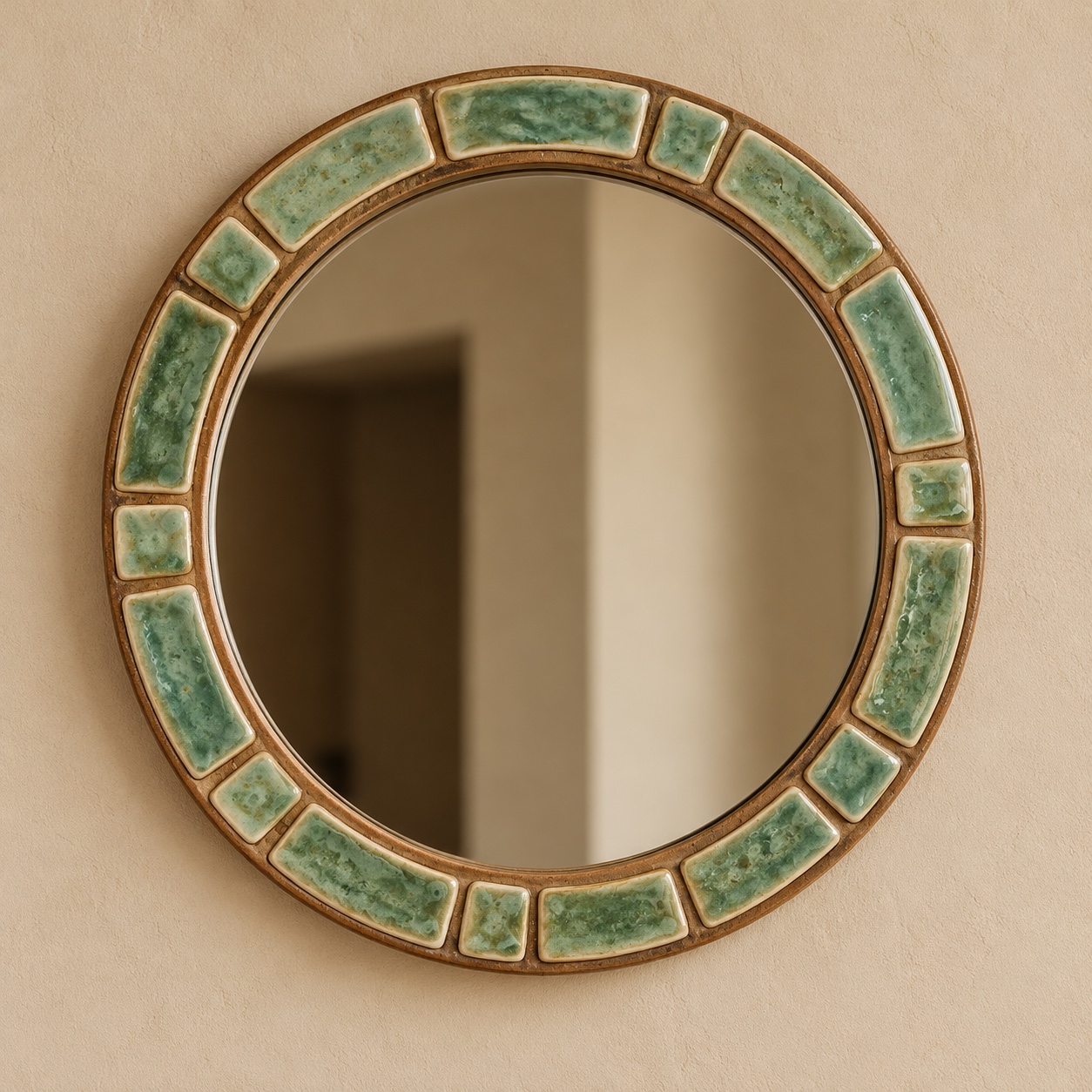
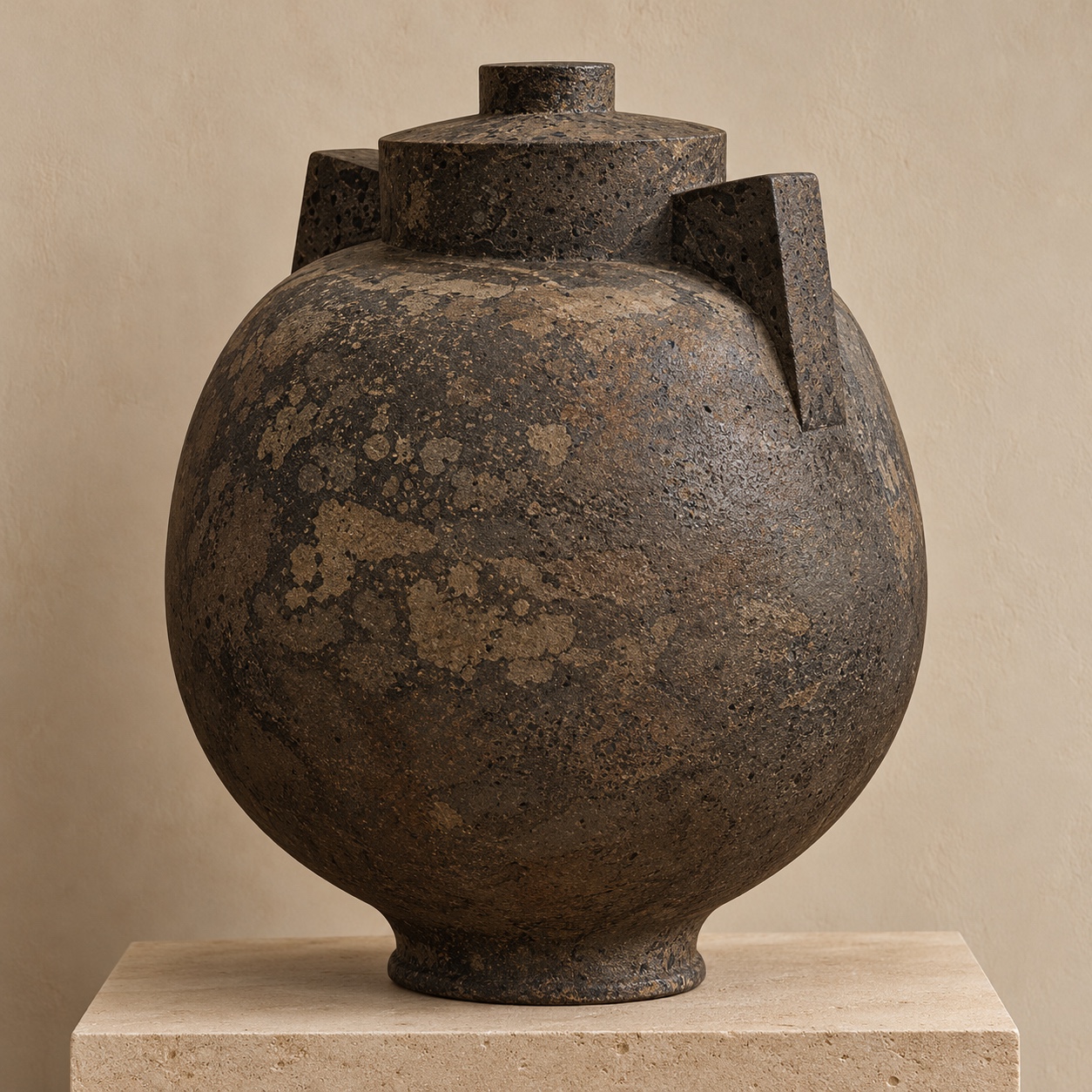
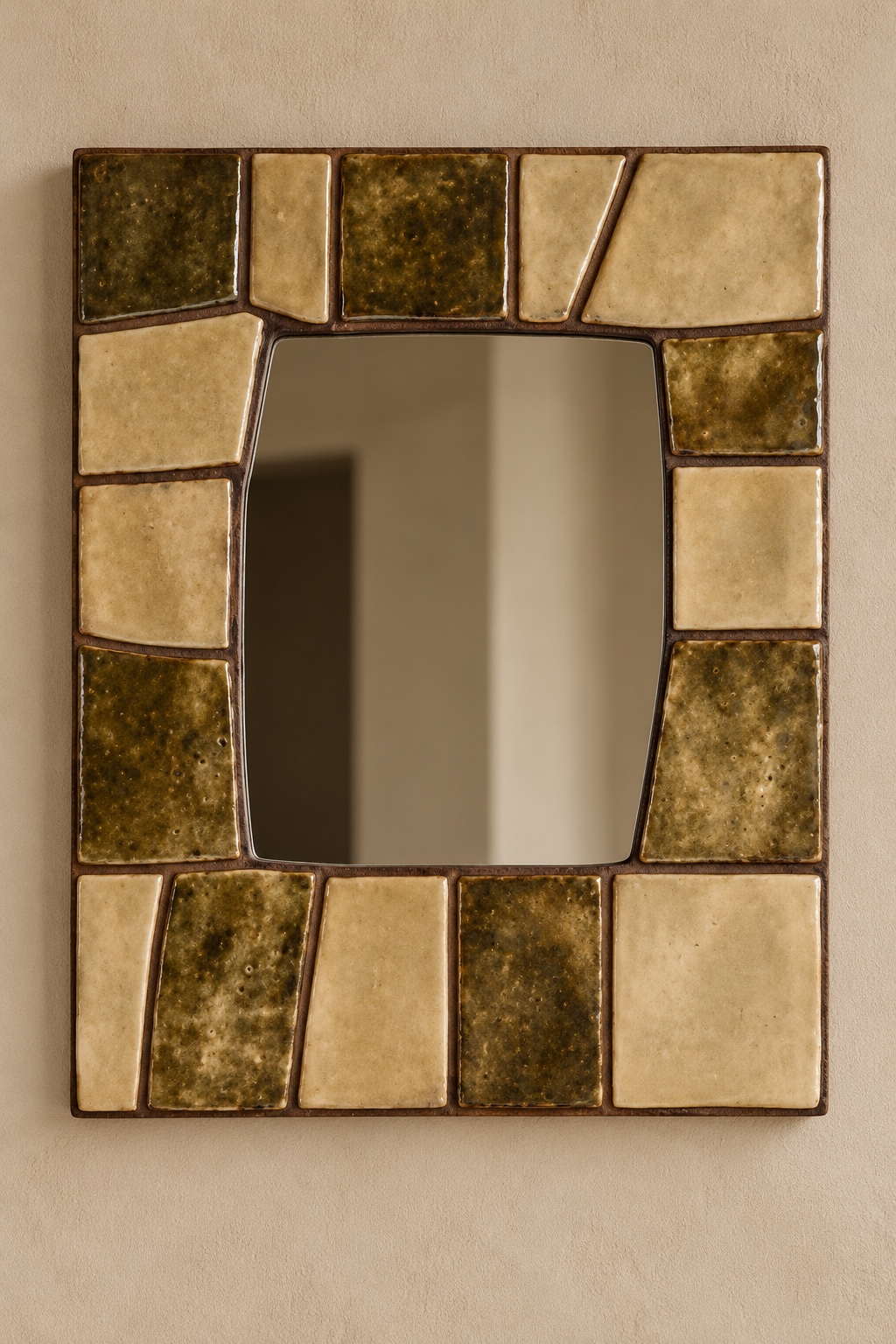
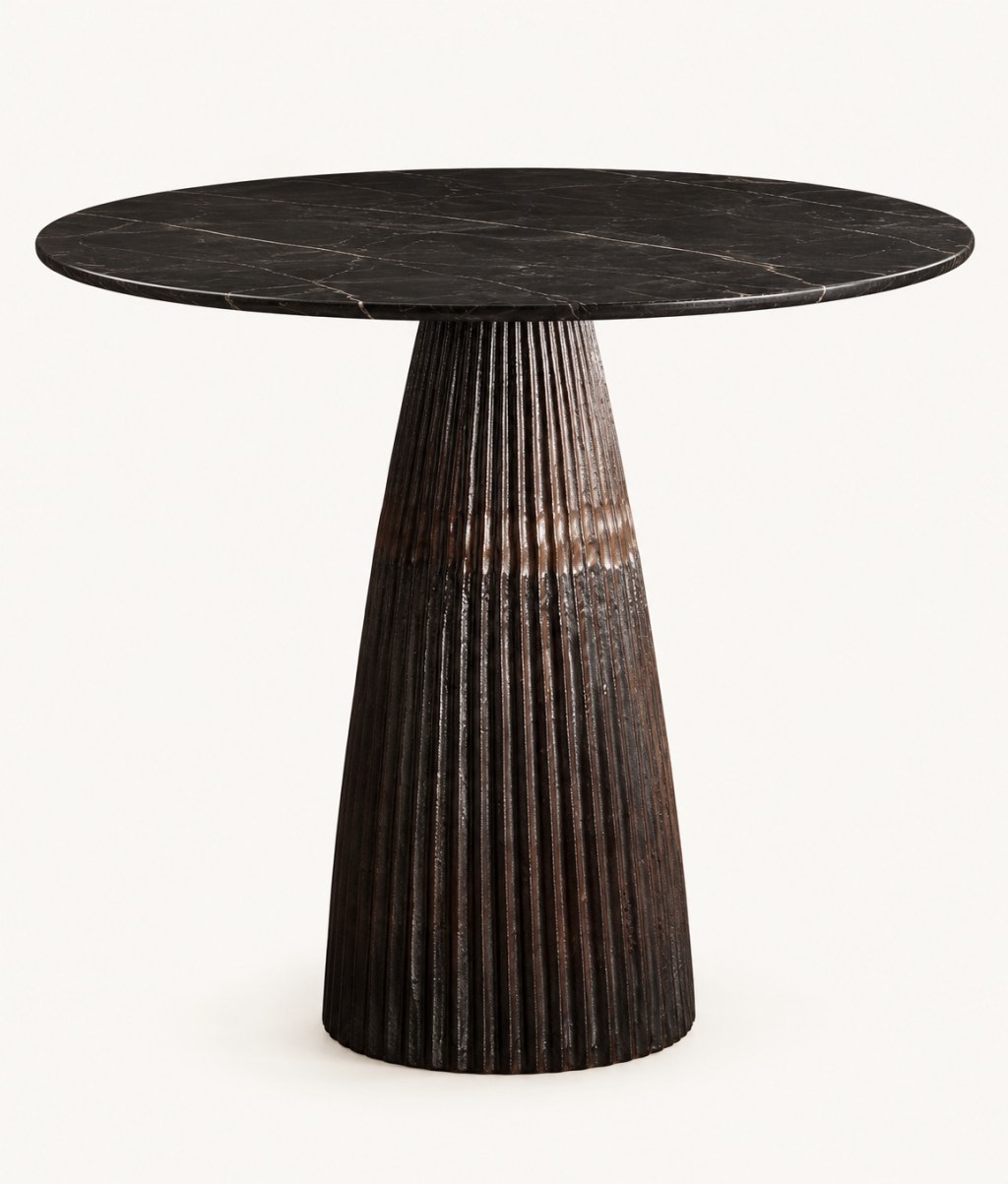
These experiences become part of my design vocabulary. The silhouette of a vessel can suggest the base of a table; the irregular depth of a glaze can give a mirror its character; a repeated geometric detail can become a tray, a screen or a source of light. The aim is not to reproduce historical forms, but to approach contemporary objects with a deeper understanding of material and making.
JOSE MANUEL RICHARDS — Objects with a Memory
The collection brings together furniture, lighting and decorative objects. Marble, ceramic, metal and textured surfaces are considered for their tactile qualities as much as their appearance. Each piece is an exploration of proportion, rhythm and the relationship between handcraft and the interior.
Light, pattern and geometry
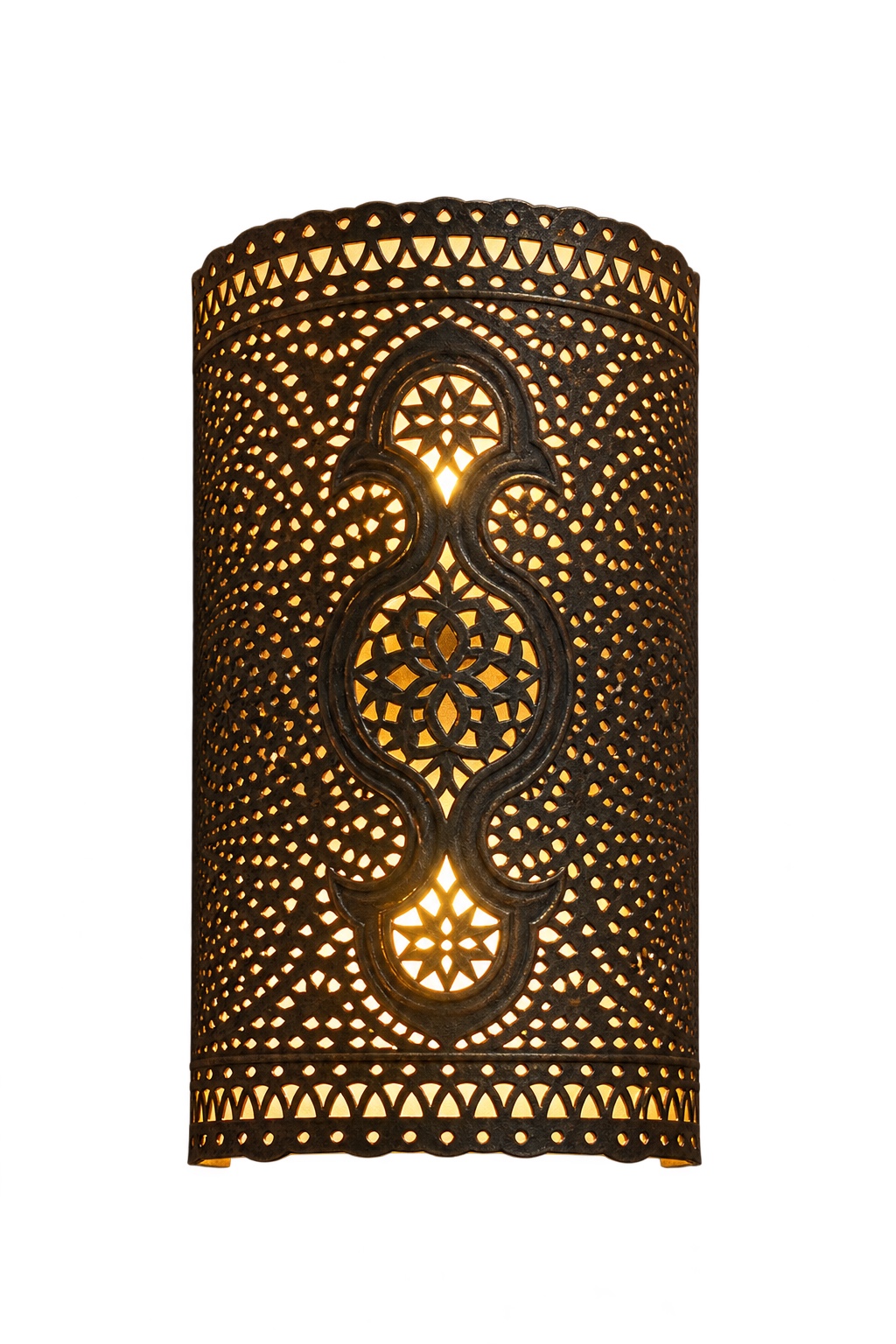
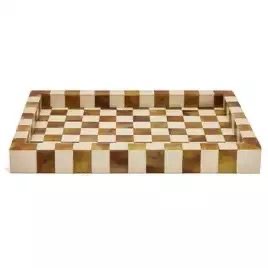
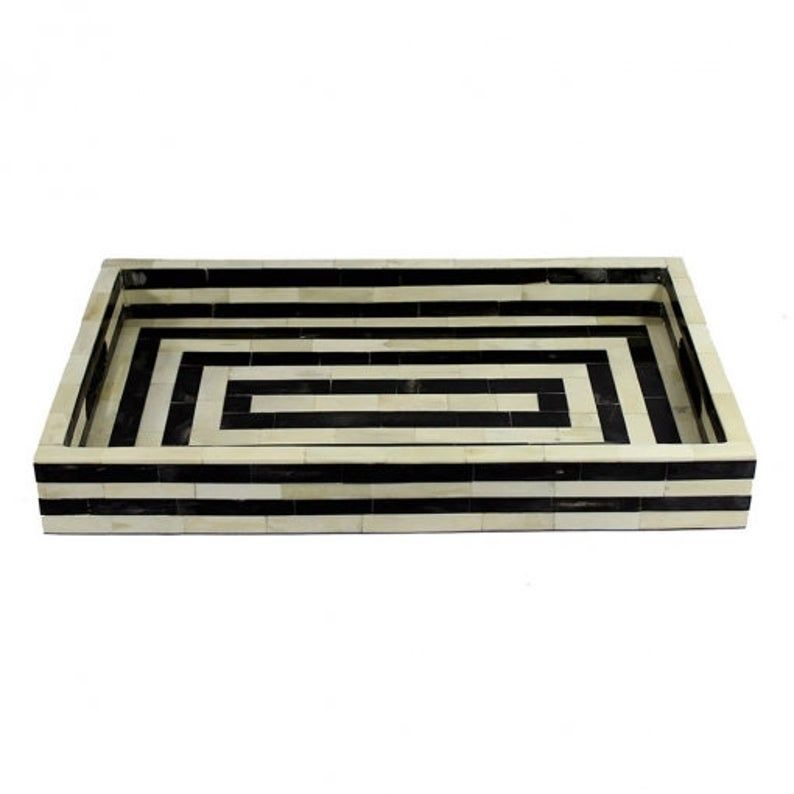
Perforated metal transforms a wall light into an interplay of shadow and warmth. Geometric trays investigate repetition and contrast, while glazed ceramic surrounds give familiar mirror forms a more material presence.
Art and the collected interior
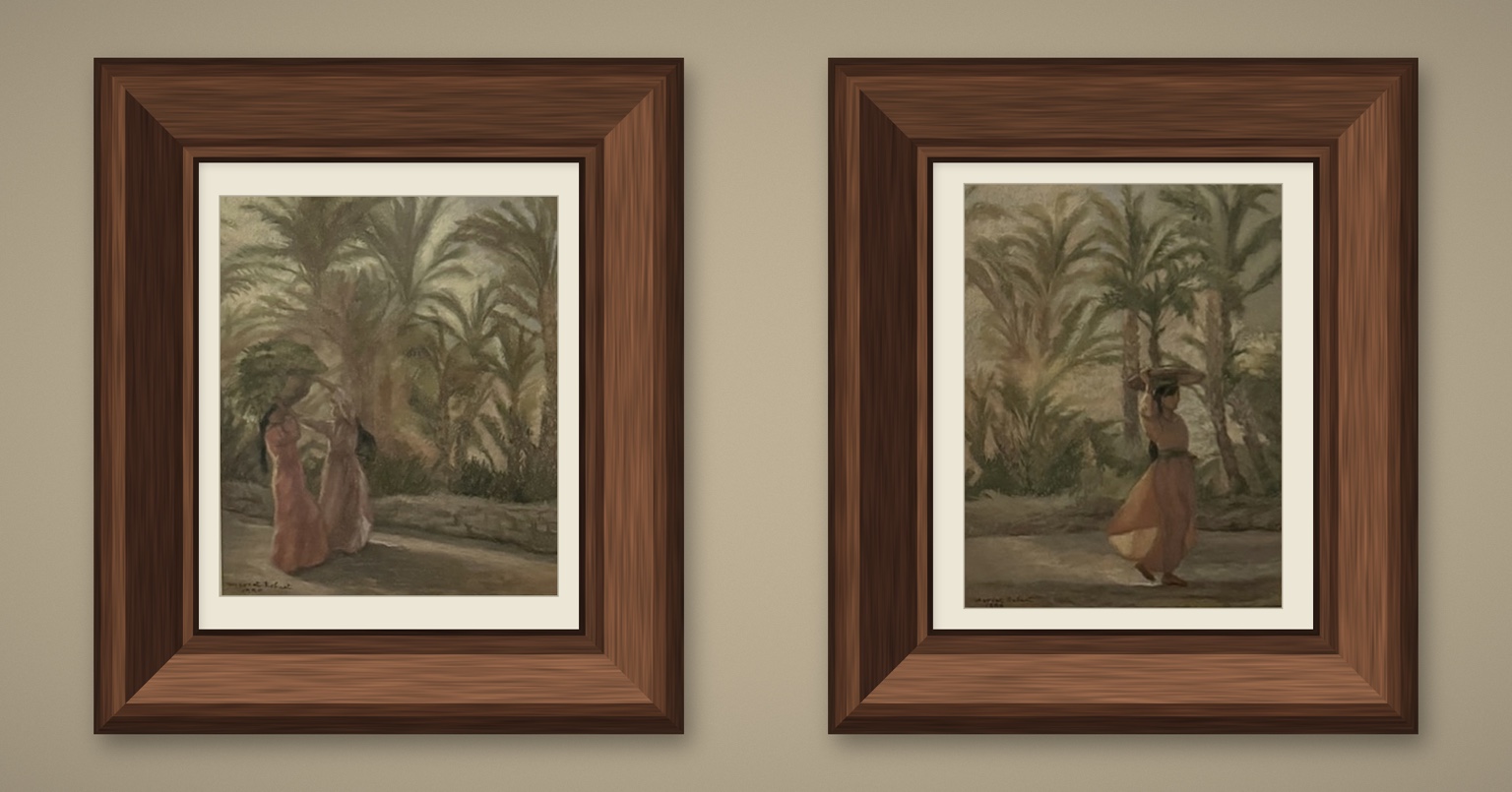
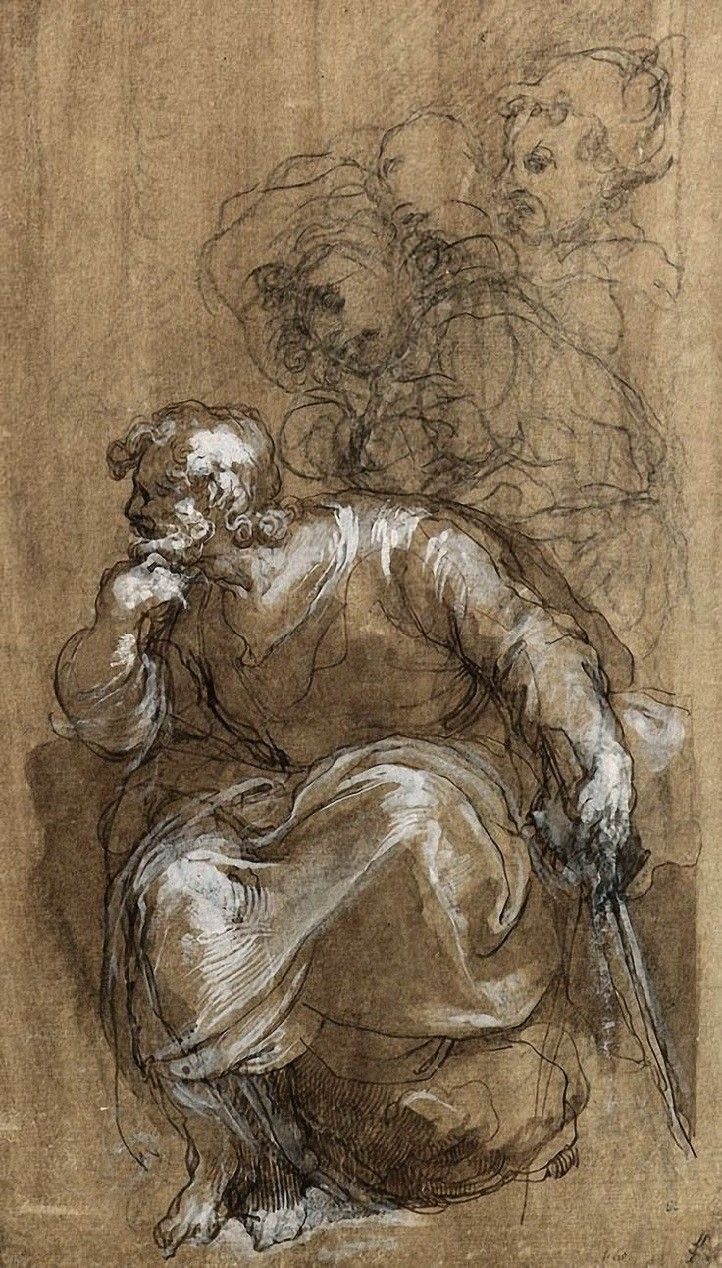
Drawings and framed landscapes sit alongside the objects as part of the same visual conversation. Together, they suggest an interior shaped not by a single style but by the dialogue between objects, artworks and materials.
A continuing conversation
Fayoum has reinforced a belief that has long guided my work: design grows through encounters. Learning from traditional techniques does not mean claiming them as one’s own. It means respecting the knowledge behind them, recognising the makers who sustain them, and allowing that experience to change how we design.
JOSE MANUEL RICHARDS · Objects & Furniture · 2026


Leave a Reply